Saturday, July 25, 2020

Wrapping Up

We've been working on our mHealth project for almost 7 or 8 weeks now, and as we are approaching the final weeks of our MHIRT internship, I'm excited to see what the final results will be. The AMOS staff recently finished administering our questionnaire to the community health workers in Nicaragua, and now the MHIRT team and I are working on the data analysis. Soon after, we'll write the final report and give a presentation on our findings. In doing so, we share the data with the Nicaraguan community, and together, we determine the next steps in implementing an mHealth intervention in Nicaragua (this is one of our CBPR approaches!!).

Also, jumping on the bandwagon, I made a Nicaraguan dish! It's called Indio Viejo, which translates to ‘old Indian’ in Spanish. According to the blog post I got the recipe from, there's actually an interesting origin story behind the name of the dish. In the post, the author writes "It is said that the name of this dish comes from the lie of an indigenous leader to two Spaniards who passed through a tribe located in Ometepe. The Europeans saw the indigenous eating and when asked what they were having, one replied that he was enjoying an old Indian... The Spaniards, in the end, decided not to try the dish. But, the truth behind this legend, is that the leader of the tribe told that lie because he did not want to share the food." Later, the author explained that the indigenous leader told this lie because he knew the Spaniards were trying to take advantage of the "hospitality of locals, whose culture demanded they provide food to all who ask for it." Whether or not this legend is true, the dish was still delicious.

I made this dish with my dad's help at his restaurant. Because I was raised vegetarian, instead of beef, we used potatoes and cottage cheese. Aside from that, no changes were made. Below is a picture of the dish, and some other food in the background.

Blogging on the Road

Hey everyone,

I am currently typing this message from a hotel room in Georgetown, Kentucky. It's been a long day of traveling and catching up with a childhood friend. Although I am not at home in my apartment, I am typing this blog with excitement. Our project is coming together, and we are almost done with our internship! The time has flown by, and we have learned so much. We fully administered the CHW questionnaire, and we have been working on the data analysis portion of the project. We are also writing the final report, which will be accompanied by a presentation during the upcoming week. I am anticipating the final product to see what we have done and where the project can go in the future. The main reason that I am curious to see our results is because I am currently in the process of filling out an application for a Fulbright scholarship, and I want to apply to spend time at AMOS either furthering this project or working on one of their other projects. I know that applying at this point may be considered short notice; however, I would rather gather the materials needed quickly than regret not applying at all. 

With all of that being said, I am extremely grateful for the experience that I have been provided by the MHIRT program and AMOS, and I will surely use this training in many projects that I work on in the future. As my second year of medical school starts in approximately 2.5 weeks, I will think back on this experience and the CBPR methods that we used. Even if I am not doing research, the CBPR approach can be applied to patient treatments and medication regimens by including their needs and desires in their treatment plans as well to make them feel that they are in charge of their healthcare.

P.S. for inspiration. In this tough time, find what makes you happy and pursue it! The pandemic won't last forever, and social justice will be achieved. We are a resilient generation with good intentions and big hearts.

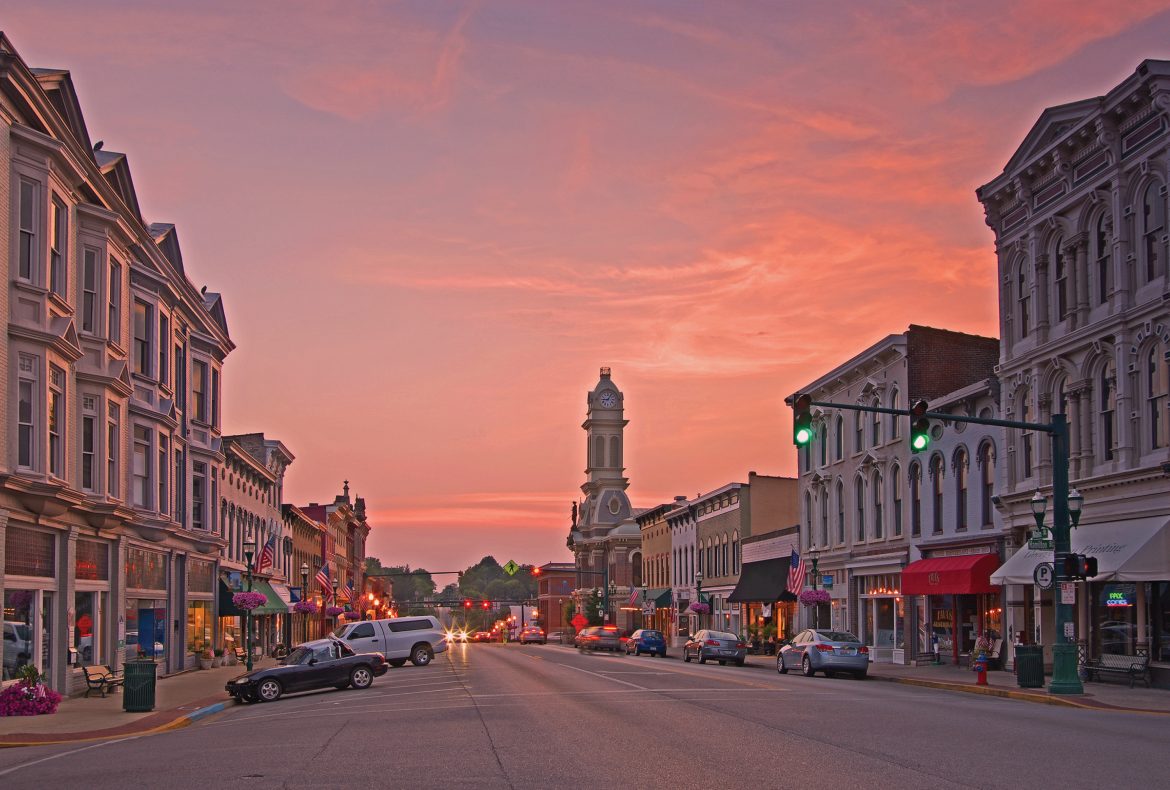
Below is the town that I am currently in. It isn't Nicaragua, but it is interesting and quaint. It is near Lexington, and this area has some amazing landscapes.
Georgetown, Kentucky - A fast-growing city - Business View Magazine

Tuesday, July 21, 2020

I made Baho! (Vaho)

This week I finally tackled a Nicaraguan dish. As I discussed in my previous post, the dish is baho (or vaho depending on the website, but they are spoken the same). Anyway, the dish is a fun meal that requires multiple days to finish, and is usually served on Sunday afternoons. In the video below, you can see three steps. The first step was marinating the brisket with the vegetables, garlic, and orange and lime juices. The next step was creating a steaming contraption and then wrapping the brisket, plantains, yuca, and vegetables all in banana leaves and steaming them for four hours. The last step was making the repollo (coleslaw salad with spices) and then placing that on the finished meal and eating!
I loved making this for a few reasons.  The first is that I got to stop by Flamingos, a local Latin American groceria, and buy interesting and new foods like hojas de platano (banana leaves), as well as practice my Spanish. However, after a brief struggle in translation with the butcher at Flamingos, I determined they did not have the brisket and had to go to whole foods (where I spent 3 times as much money than I did at Flamingos for literally one item at whole foods).
The other reason I enjoyed this recipe is that, after marinating the brisket all night and then steaming everything for four hours, I appreciated the entire process of making this meal. Its truly an all day, multi day affair, and the work and the wait was definitely worth it. My family loved it, and it was very new for all of us. The brisket had awesome citrus flavors that I have not ever tasted in meat before. The only things I would change is adding more yellow plantains and not adding any green ones, they ended up a little dry.  Overall, my family described it as wonderful, healthy, new, and wholesome. I particularly liked the added flair of serving it on banana leaves, it made it feel like I might be in Nicaragua, where I imagined I would be right now, but am still determined to get to someday.


Monday, July 20, 2020

Finding Time and Staying Thankful


We're halfway through the MHIRT experience and it feels like I'm getting the rhythm of how to tackle balancing online research work and my own personal endeavors. At this point in my summer, I realized that if I was in Nicaragua, I would probably take any chance of adventure that came my way as a means of learning and experiencing beauty that I wouldn't get from staying at home. As a result, I decided to go out into my city for a long run this week. I almost felt like a tourist in my own city; running around any major landmark I could find, taking pictures at different points throughout the miles (I had a friend tag along), and being conscious of the quarantine guidelines as I peered into empty restaurants and tourist attractions.

I'm already very thankful for the experience at MHIRT and am starting to understand that making the best of an unforeseen situation can still make up for not being able to travel to Nicaragua. In an unusual way, I still do feel more connected to Nicaragua now than before I started this program, despite not stepping foot in the country itself. I may even feel more inspired to try learning about more cultures from the comfort of my home, seeing that distance can't keep me fully away from engaging in something I'm curious about. I'm looking forward to the weeks to come.

Saturday, July 11, 2020

Half Way There

With week 4 of 8 of the MHIRT internship coming to an end, we are officially crossing the halfway mark of the program. Looking back at it now, it's amazing to see how many new things we've already learned and how many tasks we've already completed. Just a quick recap, so began the internship with a series of lectures relevant to global health and research methods. More recently, we completed tasks related to what we learned in the lecture. Collectively, we have finished a literature review and journal club and have also written an Introduction/Background section, evaluation questions, SMART objectives, the study description, a questionnaire, community-based participatory research (CBPR) approaches, and an ethical considerations statement. Basically, during the entire first half of the program, we set up the framework for conducting research. During the second half of the program, we will be collecting data, completing data analysis, and then writing final reports and conclusions.

It's crazy to think that the internship is already halfway done, though. The weeks are really flying by. I don't really know how to describe the way I feel right now: I don't want to stop researching and trying to help out, but I also am very very ready to finish the project and get some results out. Really, I don't want to stop learning about Global Health and finding ways to help communities in need.

Also, I'm still trying the DuoLingo challenge I made for myself. My goal of 500 crowns may be a bit difficult to reach, but I'm still going to try! I also really like how there's those cracked levels telling me that I mastered the topic in the past but still need to brush up on it. Below is a picture of my progress. And finally, I think I'm going to hop on the trend and attempt to cook a vegetarian Nicaraguan dish. Let's see how it goes...